
Spring Roofing Special – Save $1,000 on Your New Roof!
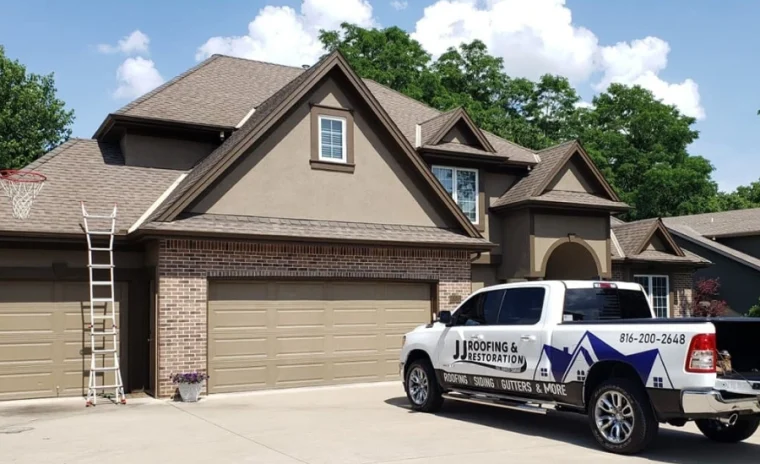
How Your Roof, Siding, and Gutters Form a Unified Defense
Your home’s exterior is not a collection of separate components. Rather, it functions as an integrated water management system designed to protect your most valuable investment. When one element fails, the entire system becomes compromised.
The roof serves as your home’s primary barrier against precipitation. Water flows down the shingles and collects at the roof edge, where properly functioning gutters channel it away from your foundation. The siding acts as a vertical shield, protecting wall cavities from moisture intrusion. When these three components work in harmony, water moves exactly where it should: away from your structure.
In Kansas City and throughout Missouri, we experience intense summer thunderstorms, winter freeze-thaw cycles, and sudden temperature swings that test every aspect of your exterior system. A failing roof allows water to penetrate beneath shingles, saturating the fascia boards where gutters attach. As moisture seeps behind siding panels, wood rot develops in wall framing. Meanwhile, clogged or damaged gutters overflow, sending thousands of gallons directly against your foundation and lower siding.
Homeowners often address these issues separately, replacing a roof one year and dealing with siding damage two years later, never recognizing the connection. This reactive approach costs significantly more than coordinated installation. More importantly, it leaves your home vulnerable during the gap between repairs.
Consider a typical scenario: You notice water stains on your living room ceiling after a storm. A contractor replaces your roof, but the damaged fascia remains untouched because ‘it’s not part of the roofing scope.’ Six months later, your gutters pull away from the house because they were reattached to rotted wood. Now you need gutter replacement and carpentry work. Meanwhile, moisture that entered through the compromised fascia has been wicking into your siding, creating hidden mold growth.
Why Coordinated Installation Saves Thousands
Replacing your roof, siding, and gutters simultaneously delivers substantial cost advantages that extend far beyond simple material discounts. The savings come from reduced labor expenses, streamlined project management, and elimination of redundant work.
When a crew sets up scaffolding, removes old materials, and protects landscaping for a roofing project, those costs get built into your invoice. If you return six months later for siding work, you pay those mobilization costs again. The same ladders get repositioned, the same flowerbeds get covered, and the same insurance and permitting fees get charged. A coordinated approach eliminates this duplication entirely.
Material costs decrease when contractors order everything for a complete exterior package. Suppliers provide volume pricing on shingles, siding panels, trim components, and gutter systems purchased together. Additionally, color coordination becomes simpler when selecting all materials at once, ensuring your roof, siding, and gutters complement each other perfectly.
The structural benefits create even greater long-term value. During a comprehensive exterior project, contractors can properly address the transition zones where roof, walls, and drainage systems meet. Flashing gets installed correctly around roof-wall intersections. Fascia boards get replaced before new gutters attach. Siding extends to the proper depth beneath the drip edge. These critical details often get compromised when projects happen separately.
Insurance claims for storm damage provide an ideal opportunity for coordinated replacement. In Wichita and throughout Kansas, hail storms frequently damage roofs, siding, and gutters simultaneously. If your insurance adjuster documents damage to all three systems, your claim should cover comprehensive replacement. Attempting to maximize your claim by addressing only the roof means leaving damaged siding and gutters in place, which will fail sooner and require out-of-pocket replacement later.
Kansas City homeowners who invest in simultaneous replacement also avoid the ‘partial warranty problem.’ When different contractors install your roof and siding in different years, determining liability for leak damage becomes complicated. Was the water intrusion caused by failed roofing, improper flashing, or compromised siding? With a single contractor handling your complete exterior, accountability remains clear and warranty coverage stays intact.
Protecting Against Ice Dams Through Proper System Design
Ice dam formation represents one of the most destructive consequences of poor exterior system integration. These thick ice ridges form at roof edges when heat escaping through your attic melts snow on the upper roof sections. Water runs down toward the eaves, refreezes at the cold overhang, and creates a dam that traps subsequent meltwater. This pooling water backs up beneath shingles, penetrates roof decking, damages insulation, and eventually leaks into living spaces.
Missouri winters bring unpredictable freeze-thaw cycles that accelerate ice dam development. A sunny afternoon melts accumulated snow, then overnight temperatures plunge below freezing. Without proper attic ventilation and insulation, your heated living space warms the roof deck, triggering this destructive cycle repeatedly throughout winter.
Proper gutter installation plays a critical role in ice dam prevention, though many homeowners misunderstand this relationship. Gutters themselves do not prevent ice dams. However, correctly sized and positioned gutters ensure that water flowing off your roof during mild periods gets channeled away efficiently. When gutters are too small, improperly sloped, or clogged with debris, water overflows and freezes along the roof edge, contributing to dam formation.
The ventilation system connecting your roof and siding creates the true defense against ice dams. Soffit vents installed beneath roof overhangs draw cold outside air into the attic space. This air flows upward along the roof deck and exits through ridge vents at the peak. Continuous airflow keeps the entire roof deck cold, preventing snow melt caused by heat loss from your living space.
During a coordinated exterior replacement project, contractors can optimize this ventilation system. New soffit panels include properly sized vent openings. Ridge vents get installed along the entire roof peak. Attic insulation gets inspected and upgraded as needed. Gutter size gets calculated based on your roof’s square footage and local rainfall intensity. These details get overlooked when projects happen separately, leaving your home vulnerable to winter damage.
Kansas City area homeowners should also consider gutter guard installation during comprehensive exterior projects. Quality gutter protection systems prevent leaf accumulation while allowing water to flow freely. During winter, this becomes especially important. Wet leaves packed into gutters freeze solid, creating blockages that force water to overflow and freeze against siding and foundations.
Maximizing Insurance Claims for Complete Exterior Restoration
Severe weather events frequently damage multiple exterior components simultaneously. A single hailstorm can bruise shingles, dent siding panels, and crush gutter systems. Wind-driven rain tests every seal and flashing detail. When storm damage occurs, documenting all affected systems becomes essential for proper insurance claim management.
Many homeowners make a costly mistake by focusing insurance claims exclusively on visible roof damage while ignoring compromised siding and gutters. Insurance adjusters evaluate the full scope of storm impact, but they rely on thorough documentation. If your claim only mentions roofing, you may receive payment for roof replacement while leaving damaged siding and gutters in place. Those components will require replacement soon, but you’ll pay out of pocket because the claim has already closed.
Professional contractors experienced in insurance restoration understand how to document storm damage across your entire exterior system. They photograph hail impacts on siding, document gutter deformation, identify compromised flashing, and note wind damage to trim components. This comprehensive documentation supports a complete claim that addresses all damaged systems.
The timing of repairs matters significantly for insurance purposes. Most policies require prompt notification of damage and timely completion of repairs. If you replace your roof immediately but delay siding and gutter work, your insurance company may question whether the additional damage existed at the time of the original claim. Coordinated replacement of all damaged components demonstrates that you’re addressing storm impact comprehensively and promptly.
Kansas and Missouri building codes also factor into insurance restoration projects. Current code requirements for ventilation, flashing, and water management often exceed the standards in place when your home was built. Insurance settlements typically provide ‘code upgrade coverage’ to bring your home into compliance with current requirements. During a comprehensive exterior replacement, contractors can implement these upgrades across your entire system, rather than creating a patchwork of old and new standards.
For homeowners in Wichita, Overland Park, and throughout the Kansas City metro area, choosing a contractor experienced in complete exterior restoration streamlines the entire insurance process. These professionals communicate directly with adjusters, provide detailed estimates that align with insurance industry standards, and manage the claim documentation throughout the project.
Trust Your Home to Qualified Restoration Professionals
If you have already received an estimate from your insurance company, you may be leaving money on the table without realizing it. The difference between what adjusters initially approve and what your roof actually requires can amount to thousands of dollars in missing coverage for code-required materials, necessary repairs, and proper installation techniques.
Many homeowners hesitate to question their insurance estimate, assuming the adjuster included everything necessary. However, adjusters work for the carrier, not for you, and their job involves controlling claim costs while meeting minimum policy obligations. They are not roofing specialists and may genuinely miss items that only become apparent to someone who performs roof installations daily.
Having a professional roofing contractor review your estimate costs nothing and provides valuable insight into whether your claim accurately reflects the full scope of work. During this review, the contractor compares the adjuster’s line items against what building codes require, what manufacturer warranties mandate, and what proper installation standards demand. Any gaps between the estimate and these requirements become candidates for supplementing.
The review process also identifies whether the adjuster correctly classified your damage. If portions of your claim were denied as wear and tear, a contractor with claims experience can assess whether that determination was accurate or if the evidence supports overturning the denial. Fresh eyes on the damage often reveal patterns and indicators the original adjuster overlooked.
Time matters when pursuing supplements. Most insurance policies include time limits for submitting additional documentation after the initial claim. Waiting too long may result in the carrier closing your claim file, making it much harder to reopen and supplement later. Getting your estimate reviewed promptly keeps your options open and prevents you from accepting an incomplete settlement.
You also want to avoid the scenario where work begins based on an insufficient estimate, only to discover mid-project that the funds fall short. Contractors who encounter unexpected damage or code issues during installation will halt work until the financial questions are resolved. This creates delays, exposes your home to weather, and generates stress that proper planning prevents.
The smartest approach involves having your estimate reviewed before you sign any agreements or accept any settlement checks. Once you cash a final settlement check, many carriers consider the claim closed and resist reopening it for supplements. A pre-settlement review ensures you know exactly what you are accepting and whether it covers everything required.
Professional contractors who work regularly with insurance claims understand the delicate balance between advocating for your full coverage and maintaining positive relationships with carriers. They know how to present supplement requests in the language and format that adjusters expect, increasing the likelihood of quick approval without unnecessary conflict.
You invested years in paying insurance premiums precisely so you would have coverage when disasters strike. Accepting an incomplete estimate means you do not receive the full benefit of that investment. A thorough review ensures the insurance company fulfills its policy obligations and you receive every dollar you are entitled to under your coverage.
Taking action starts with a simple conversation. Experienced roofing professionals can typically review an insurance estimate in one meeting, explaining which items raise concerns and what steps would address those gaps. This consultation provides the information you need to make an informed decision about how to proceed with your claim.
The goal is not to inflate claims or request coverage for items you do not need. Rather, it is to ensure that when your roof gets repaired, the work complies with all applicable codes, meets manufacturer specifications for warranty purposes, and uses quality materials installed according to industry best practices. Your insurance policy should fund these requirements, and supplements bridge the gap when initial estimates fall short.
